Work-Life Balance?

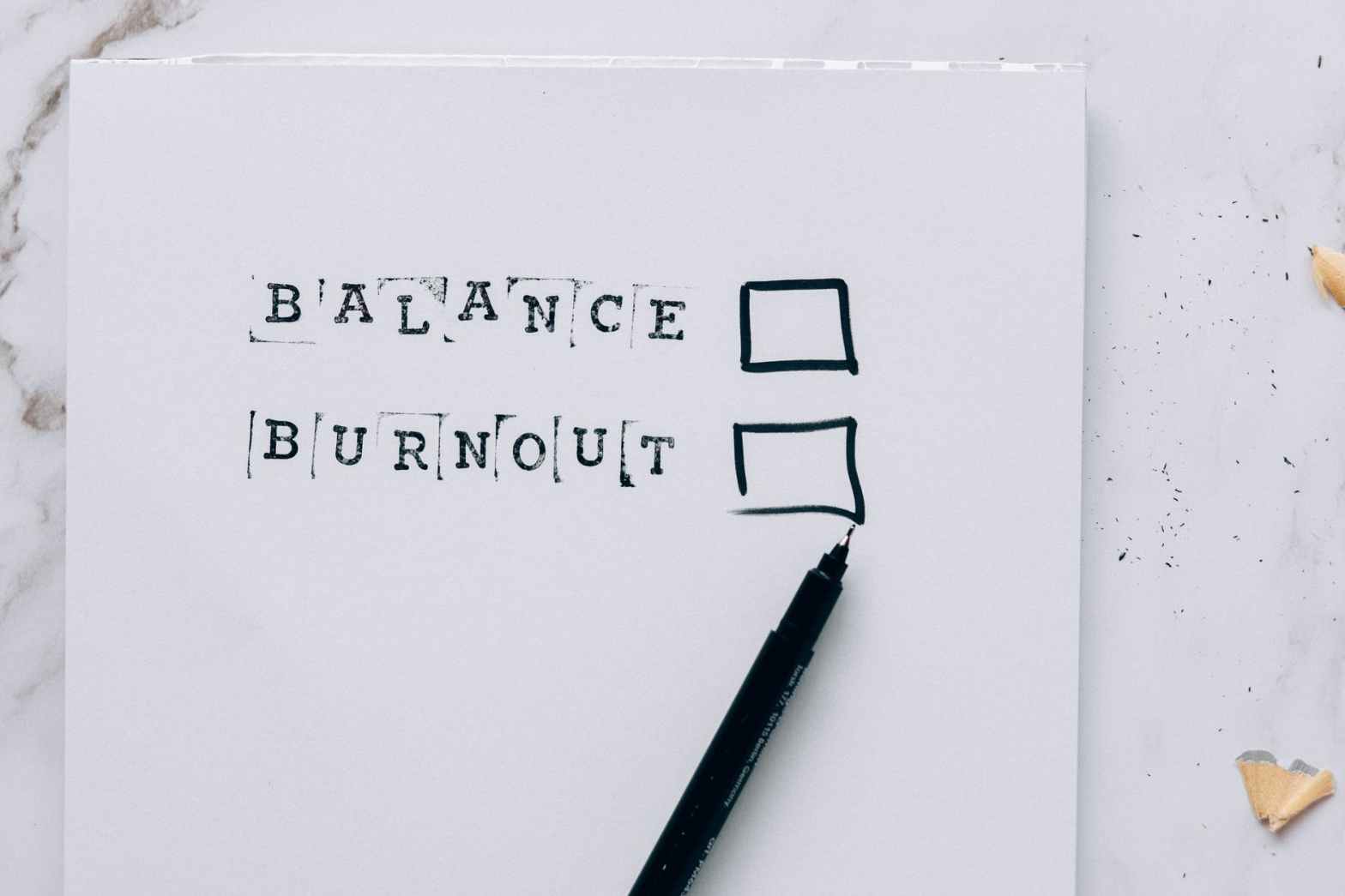
The concept of work life balance basically views work and life as 2 separate parts of our life that need to be maintained equally.

In a much broader sense, it means to utilise more time for leisure things, family time or simply self care. It is something which many youths, including myself, struggle with. It’s difficult to find a space that is just the right balance of work and leisure.

About work-life balance

The reason why work-life balance has become such a growing topic in discussions among the self-help and self-care community is because the “constant hustle” cultre has fixed the idea of constantly being on the go, working and being productive into the workforce and has made it the norm.
This has built the toxic idea in most workplace employees that they should be constantly on the go and hustling, being productive instead of taking time off for themselves and doing things that they love.

Even if you love your job and are motivated to work, overworking yourself without taking breaks will eventually lead to some resentment – either towards yourself, your colleagues or even your job.

Constantly being on the run, working even on the weekends will lead to eventual burnout – be it mentally or physically – this is what leads to resentment and negative feelings which is your mind and body’s indication to needing a break.

Also, assuming that if you work extra hard, harder than others will lead you to great success in your career is wrong. Yes, it might help to get ahead, but at the cost of your own well being. (Definitely not worth it!)


It’s important to learn to develop healthy work-life balance.

Tips to maintain work-life balance

  • Define

Before going into work-life balance, you need to know what is ‘balance’ for you.
Write down the things in your life that are priorities, then analyse your life daily life and try to make an estimate on how much time you’re able to allot to each priority.

Then take a moment to reflect on that.
Are you happy with that? What would you like to change? How much of a change do you want? How will that change your life?

  • Set Schedules

When you realise how you want your day-to-day life to be organized it becomes easier to schedule your day accordingly.
Set a fixed schedule for workdays with fixed times for work and fun things that you enjoy .

When you have a fixed schedule, especially one that is more or less consistent throughout all workdays, it becomes much easier to get into that ‘flow’ state of work and enjoy uninterrupted work times. Also helps you detangle yourself from work after a specific time and just enjoy other things.

Now, it might seem easy to fix a schedule and plan out your entire day, but the difficult part is sticking to that workplan and being consistent with it.
Especially as someone like me who doesn’t fit well with schedules and hates being routine, it gets boring.

Something that I have been trying is to set timers and little rewards for myself for successfully going through a schedule. 
But somedays, even that doesn't motivate me enough, those days you just have to force yourself, sometimes you have to push through without motivation.
  • Turn Off

Turn off work mode – both, from your devices and your head.
Turn off work and email notifications. If possible, turn off devices and spend time doing the things that make you happy or spend time with people that make you happy.
It’s important to not let work distract you during times that are supposed to be your ‘off’ times.

Obviously this won’t work for you if you have a job that requires you to be on alert most of the times.
But for a student plus writer like me, it’s easy to shut off my phone and go out on a walk or read or study my favourite subjects.

  • Make Boundaries

When you have a schedule and fixed times for everything, there is only that limited time for you to work and to relax.
It’s important to learn to maintain that boundary between your work and your personal life.

Learn to not bring your work into your personal space, to give time to people outside of the work environment and maintain balance.
The way to achieve this balance is from within, it is a resultant of your own choices and it’s important for you to make wise decisions and respect the boundary that you have created for yourself.

If you are someone like me who finds it difficult to work within boundaries,it’s going to be a difficult task to navigate through them and be disciplined, but the only way to have successful work-life balance is by execution- simply learn to work within boundaries and stick to your routine.

  • Reflect

After atleast a month of following through, go back to analysing your daily life. Ask yourself the same questions you asked yourself in the first step.

Are your answers different now? Do you feel more happy/content with the way your work-life balance is now?
Observe and reflect on your emotions before and after and see if things have changed.

Even though work life balance is a widely discussed topic, not everything said about it is positive.

Cons to work-life balance

Work-life balance is based on the idea that work and life are 2 different parts of our life that need to be maintained equally. It creates this barrier between work and life and puts a pressure on people to be able to manage both equally and successfully.

But the reality of the situation is that work and life can never be equally balanced in life.

There will be times when you will have to make certain decisions based off of your professional life and that takes priority in your everyday life.
There will also be times when your personal life will take the spotlight and you will set your work away to enjoy your life with people you love or just do things to keep yourself happy.

So when it is clear that having a perfect work-life balance isn’t possible and yet we pressurise ourselves to live that way, it is just like running a race but in the opposite direction to everyone else – you might feel like you’re winning when in reality you’re making decisions that will not benefit you.

It’s important to accept that the idea of perfect work-life balance is not correct. Accept that you cannot treat things as rigid blocks, sometimes things are just grey.

While studying about these ‘grey’ areas, I came across this really interesting concept.

Work-life integration

Work-life integration removes the idea of having a perfectly balanced equation between work and life and blends everything together.

To be precise, it removes the rigid boundaries between your personal and professional life and sets your day in such a way that work, health, family, self, everything is given appropriate attention but without the strict regimes and schedules.
It is a way of creating a collaboration between many areas of your life.

With the added flexibility to your life, it becomes easier to manage work and personal life and if you feel like adding more things to your life, you can easily do that.

It gives the opportunity to be professional while handling many things at the same time and still remain sane !

Tips to work-life integration

  • Create a schedule that focuses on all the main priorities in your life. Unlike schedules from work-life balance that dealt with ensuring ‘equlibrium’ between work and life on almost a daily basis, these schedules are based more on what you feel like and what you’re motivated to do
  • For example – one day I might be in the mood to study and write and instead of going out with friends i would just stay at home and read a book or draw.
    The next day I might not be in the mindset to study, so I could spend time with friends and family.
  • It’s a way to balance your life,but in a way that suits you.
  • The only thing to keep in mind is to make sure that your schedule distributes time to all your priorities in a more or less equal amount and fulfills you and the people most important to you.
  • Just like in work-life balance situations, it’s important to have boundaries here as well, but not as strict/rigid.
  • Here you don’t have to set times in your day reserved only for work and only for fun. You only have a brief blueprint of how much time you want to spend working and how much on leisure things.
  • You just need to try and not let the two (work and fun) overlap and keep them at a distance.

But just like incase of work-life balance, work-life integration also has some downsides.

Cons to work-life integration

  1. If you don’t spread your priorities out equally, you might end up spending most of your time either working or on leisure things.
  2. You may not be able to properly navigate through the blend of work and life and might lose the grip on maintaining balance between the two.
  3. You may have your mind constantly preoccupied with other things due to lack of proper scheduling of thoughts and work times.

Having read all of this – what do you feel suits your life and your goals to the best limit? Let us know!


Being A Nightowl

I have to confess… I am a nightowl! (Really dramatic, I know)

But what does that mean?
Basically, just like an owl has a much more clear sense of vision during the night, I have a much more clear sense of productivity during the night, or more specifically, after the sun sets.

So when the rest of the people are going to bed or even asleep, I’m wide awake doing work/studying. And when everyone else gets up from slumber, I’m only starting to doze off.

To some people, this might seem strange and even slightly concerning, but actually, it’s way more common than an average person might think.
Studies show that almost 30 to 40 percentage of the population find themselves the most productive after 11pm (or 2300hrs.)


And no, by productive I do not mean endlessly scrolling through social media or binge watching movies/shows for the whole night. I actually mean concentrating and getting some serious work done.

But

How does a person become a nightowl?

Well, firstly it isn’t exactly a lifestyle choice one can develop in a week or two.
According to some studies, our chronotype (which is largely influenced by genetics) determines what type of person – a nightowl or an early bird- one will be.

People with night time chronotype (or wolf chronotype) show more of nightowl tendencies (or ‘nocturnal’ tendencies)

So, it isn’t a choice for most people, sure, long exposure to this type of behavior and environment may change some people’s lifestyle. Or sometimes our chronotype might change as we grow older, but we can’t really change them ourselves.

For people who are genetically given these behaviours don’t really have a choice. They reach their maximum level of energy and productivity only after dark. They also find it difficult to focus and be active early in the morning.
According to studies, night owls show the most energy and activity (which is controlled by the cerebum) 4-10 hours after they wake up.

So if you find yourself constantly in a drowsy state during the day and super energetic and active during the night – then you might be a nightowl. (Welcome to the gang!)

Now, incase you are a nightowl (or just found out you’re one) and not very happy with the idea of being a nightowl, here are some

Pros to being a nightowl


• When you’re a nightowl and productive at night, you can actually get a lot of work done without even half of the distractions you might have during the day. (Nobody walking around you and disrupting your flow!)

• According to studies by numerous institutions, nightowls have shown to score more on IQ tests compared to early risers. Which basically means we’re smarter!

• People who are night owls tend to use lateral thinking more than early birds, to put it simply, we’re better at solving problems by using an indirect/creative approach and view such problems with a new light (Basically, we’re more creative).

Now that we have talked pros I guess it is only fair to talk about the cons as well.

Cons to being a nightowl

• Studies from many universities showed that people with morning chronotype were more physically active than compared to those with night chronotype and suggests that people who do stay up late and wake up late should try to keep themselves physically active.

• Even though night owls have an advantage when it comes to lateral thinking and intelligence, we’re also more likely to perform poorly in academics/work. This is because we have to function during our least functional hours i.e. typically an 8-4 or 9-5.

• Since nightowls are more creative, active and approachable during the night, they’re less so during the day, which is when a major part of society and our communities are up and about.
Trying to keep up with these people around us often leads to insufficient sleep, not to mention poor lifestyle habits and a general inability to adjust to ‘regular’ schedules. This can lead to a number of physical and mental health issues such as diabetes, obesity and even depression.

Now that we’ve covered that, how can you make your life a little easier as a nightowl?
So here are some tips, from one owl to another.

Top tips for nightowls

1) Accept yourself and set your routine such that it accomodates time for sleep. Atleast 5-6 hours. It might seem difficult, but with a little bit of planning you’ll be able to work all night and still get 7-8 hours of sleep.


2) Try to sneak in little naps between the day or even during your work sessions. Also, try to set a limit for yourself, tell yourself “I will not work past _”


3) While working at night , have a glass of water and some healthy snacks (like nuts and berries) next to you, it will stop you from eating junk and will kill the cravings.


4) Try to take atleast 5-10 minute breaks in between work to get up, stretch, fix your posture and just take a little walk around your walk area.


5) 20 minutes before your bed time/the time you set for yourself, stop all work. Read a relaxing book or listen to calming music, turn off all bright lights and all devices. Set the mood to calm yourself before going to sleep, that way you can ensure a peaceful few hours of sleep for yourself without waking up in the middle and having disturbed/rocky sleep.


6) If you generally have a 9-5 ‘routine’ and also work during the night, give yourself weekends or atleast one day of the week to get full rest and excercise. Also meet up with your friends and family to ensure your own physical and mental health.
Even during the day/night when you’re working,make it a point to take care of your health – physical and mental.


Having read all of this, know that it doesn’t matter if you’re a nightowl or an early bird or even if you have no idea of your strong and weak timespans , all that matters is you fit your work into your work whenever you’re the most productive and the most motivated to make changes.

TOP TIPS TO BE PRODUCTIVE

We’re all humans and we all have dreams and goals, some big and some small, but the only way to reach these goals is by working towards these goals. But if you’re a procrastinator like me being productive and getting things done might be difficult. So here are some tips that might just help you be a better version of yourself.

TOP TIPS

1) Know your daily goals

This is the first and most basic step to being productive. This is important because not knowing the goals for the day makes us random and it takes much more time to get things done.
The best way to do this is by a to-do list. Write it down, either on a paper, or an app on your phone or even on your calendar, just note it down somewhere so your brain doesn’t need to remember all these tasks, it can just focus on the work at hand.

Pro tip – Instead of deciding all the things and tasks in the morning and wasting precious time, write it all down the night before, that way you can wake up ready to hustle.

2) Map your day

Map out the things you have to do, don’t just write down random words or vague sentences. Write down the actual steps and plan of action that are clear. This way you will have the exact steps lined up for you and you can do your work with lesser things going wrong.

3) Prioritise

Know the most important and crucial tasks of your day and start working on those.
When making a to-do list try to break up the task into smaller mini-tasks and get to work on the first one in the sequence.
Finishing the first task will encourage and motivate you to work on the remaining mini-tasks and it will be easier to finish the task.

4) Goals and times

We only have 24 hours in a day, so we need to put every minute to work.
After organizing all the tasks, assign due dates and timers as much as possible and try to get things done within the alloted times.
Develop the habit of working fast while doing the best that you can. (It’s not easy but practice makes perfect… or atleast the thing closest to perfect)
Also, try to get onto a task and finish it as soon as possible instead of pushing it away for some other time.

5) Track yourself

Keep an eye on your to-do list and your timing. Review these often.
Keep track of your to-do list to make sure that you’re not overworking and doing work that is not necessarily important.
Keeping track of your timing ensures that you don’t spend too much time on a particular task and that you distribute and use your time effectively.

TOP MISTAKES

1) Time crunch

Not giving enough time to complete a task is a mistake all of us have done at some point. It’s important to not take too much time to do a task but at the same time it’s important to allow yourself enough time to complete the task successfully.

2) Assumptions

… specifically assumptions that everything will go right. Always assume that there will be hurdles along the way and allot sufficient time to deal with these problems.

3) Not enough vision

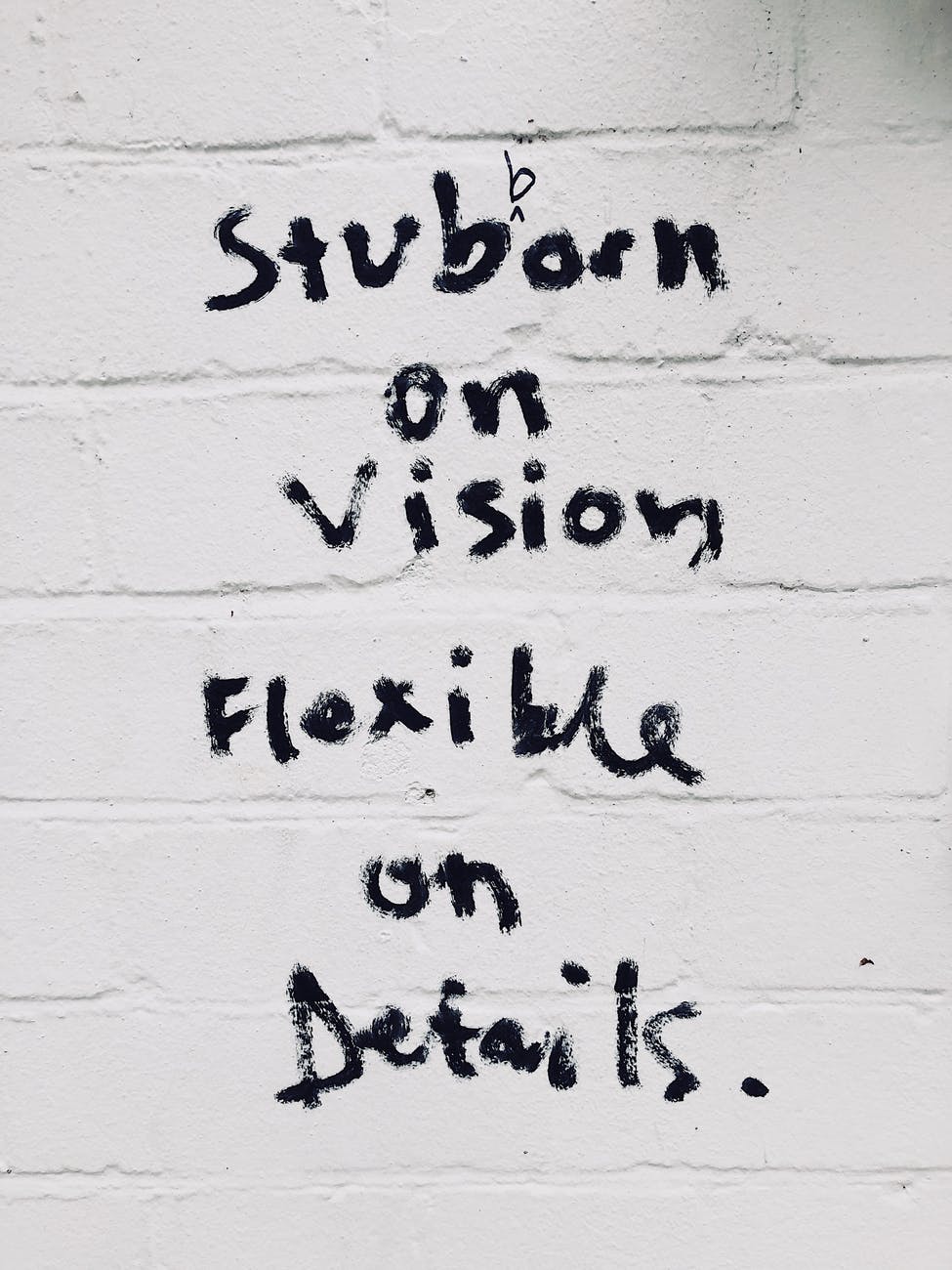
Not having the proper vision and goal will just increase the number of hurdles that come in your path. Make sure that before you begin anything ( a project, a task, an activity etc) you have a clear vision and you know the path to that vision.

4) Stress

Constantly stressing out can put your mental and physical health at risk. It will also effect your productivity. Identify the stress causing factors in your life, develop ways to de-stress and if possible, avoid these stress causing media.

5) Depending on yourself

Don’t get me wrong, being independent is a great thing and often times it seems like the best course of action. But in most cases, doing everything by yourself can lead to eventual burnout.
We’re all humans and we all have only a specific amount of energy in a day, it is impossible to expect ourselves to do everything on our own.
Get help, it may be in the form of an app or a device that helps you organize your day and other small things like that or maybe even hiring people to help you out in your work.

EXTRA TIPS (because why not)

Remove distractions – delete apps, place your phone out of reach and turn off notifications.
• Focus on one thing at a time.
• Keep your home and workspace clean and organized to avoid chaos.
• Get the proper amount of sleep.
• Exercise regularly.
• Eat healthy.
• Take breaks in between work.

If you want anymore tips on how to work efficiently then check out my other blog post here:-

https://anublogsofficial.art.blog/2021/05/23/how-to-work-efficiently/


(Shameless plug 😉 )

MANIFESTING YOUR DREAMS

The first question that you may have is, what is manifesting? According to The Millennial Grind by Kenneth Wong, ‘Manifesting is to assume the feelings of what you desire and using this aligned energy to bring it into your reality.’ In simple words, it’s making a wish and then working towards it, with a little extra help from a very special connection.

Have you ever wished for something very hard and very long and suddenly, it came true? If you did, then I think it’s safe to say that you’ve already made a connection with the universe/god/ultimate power/whatever-it-is-that-you-would-like-to-call-it! If you’ve not, then let me give you my top 10 tips and tricks on manifesting and making your dreams come true.

  • Visualize it

The first step to making your dreams and goals come true is envisioning it, act as if it’s already real and happening, make the foundation to that connection. Speak your vision out, hear yourself speak it, not only will that help you connect to the vision, it will also motivate you to work for that vision.

“Decide what you want to be, do, and have, think the thoughts of it, emit the frequency, and your vision will become your life.” – Rhonda Byrne

  • Write it down

…or draw it or you could put up pictures and make a vision board, the important thing is that you need to have a physical form of the vision. That way, when you start working towards the goal you will have a clear idea of what you’re aiming for.

  • Hustle

The most important and the most difficult step of making your dreams come true. You need to work for it. Remember, the universe/god/ultimate power/whatever-it-is-that-you-would-like-to-call-it will only work for you when you work for yourself.

Adopt the horse vision, just like a horse can only see its path and destination because of its blinkers, create mental blinkers for yourself, set your destination and fix your path, then don’t stop till you reach it.

  • Be practical

As you slowly start working towards the goal, you’ll slowly start getting mini-successes. During this period of mini-success and real success, don’t get overconfident, don’t let your ego get in your head, keep a clear head and be practical.

For example; someone may have a dream job and after working really really hard they may get an interview, the smart thing here would be to not get cocky and overconfident, the interviewer may not find it appealing and the person may not get the job, instead keeping a clear head and making practical decisions will help this person get the job.

  • Choose people wisely

Your company really makes an impact on your mindset which in turns impacts your connection. Be close to friends and family who support and motivate you but at the same time are not hesitant to point out your mistakes, and most importantly, help you evolve.

  • Failures

The worst and the best part of your life are the failures. They are the best teachers, success is a very lousy teacher” – Auyshmann Khurrana

Accept your failures and learn from your mistakes. Until and unless you see failure, you will not be able to reach success. Seeing failure in the beginning of the journey will prepare you for the worst and help you evolve yourself and be better.

  • Motivate yourself

There will be times when things will go south for you, and in those times you need to motivate yourself. Empower your inner self. When you lose faith in yourself you lose the connection, don’t lose that connection, keep it intact. At the end of the day, nothing and nobody can have a bigger impact on you than yourself.

  • Ignore negative opinions and thoughts

The biggest critic is the one that is in your head, so be careful about the thoughts that you allow in your mind. Remember that your thoughts go on to create your life, so keep it positive.

“Every thought you have is a message you send to the Universe. The Universe is always saying YES to your thoughts, energy, and emotions. Therefore, what you put out you will receive back—whether you want it or not.” – Gabrielle Bernstein

Coming to the criticism from the outside, don’t pay attention to everyone that criticizes and gives their opinion and advice. Be careful about whom you take advice from, if it’s someone who you look up to or someone who has more experience than you in the field or someone who’s been there and done that, take all the notes! But if it’s someone who has no idea what your journey is like and what you’re going through, then just learn to ignore them.

  • Be prepared and evolve

Keep your sense open at all times, opportunities have a way of coming at the most inconvenient times! Also, keep evolving yourself and your skills, learn something new everyday, the most unexpected thing might help you bump into your opportunity.

  • Be patient

Be patient with your dreams, with yourself and with the universe/god/ultimate power/whatever-it-is-that-you-would-like-to-call-it. Once you manifest your dreams and start working towards it, you need to be patient with it. You can’t rush the connection, patience will bring you the best. Give it time, a month, a year, two, three, four years, it doesn’t matter how long it takes, it will happen at the very best time.

Now, if you’re someone who doesn’t believe in all this and thinks it’s a waste of time, good for you, I wish your methods and beliefs get you to your success. But if you’re someone who is open to manifesting and connecting then I highly suggest you do it, it may take some time, but in the end you will succeed. Trust me, you will 😉

“If you can fail at something you don’t love, you might as well do what you love.” – Jim Carrey

HOW TO WORK EFFICIENTLY

Let me ask you a question – are you supposed to be doing something else right now? A project? An assignment? Maybe even household chores? If your answer is yes then, like me you procrastinate a lot. So I am here to give you some tips and tricks on how to procrastinate less and work more

  • MAKE REALISTIC TO-DO LISTS

All of us might be familiar with the concept of to-do lists, if not then let me explain, it is a list of things/goals you wish to accomplish within a particular time period and when you do it you check/cross it out of your list.

For example

  • Finish chapter 6
  • Complete notes of chapter 10
  • Write notes to chapter 8 & 9
  • Finish reading the library books

I hope this gives you a basic idea of to-do lists.

 But here’s a mistake that people often make with their to-do lists – they fill their lists with unrealistic expectations and often times their list is so full that it makes situations very stressful. If you see things on your list that are impossible to finish within the time period then you need to either recheck your list or give yourself more time. Keep the most important tasks on your list and work on those before adding more things to your list. Make sure to keep your list in such a place where it is visible to you at all times, that way you can keep track of all the things you’ve done and the things you need to do.

  • MAKING TARGETS/SETTING GOALS OUTSIDE YOUR COMFORT ZONE

This one might be a little opposite to what I said previously, but just hear me out. When you set targets that are within your comfort zone, you will slack, this is because you subconsciously know that you can do it and you won’t work hard on that task. Set targets that are a little out of your comfort zone while keeping realistic goals.

  • CLEAN/ORGANIZED WORKSPACE

This is something that is so small yet so important! Having a clean workspace gives you a stress free environment. It doesn’t have to be extremely clean or extremely organized, it just needs to be clean enough so that you don’t get a heart attack everytime you look at it.

  • REMOVING DISTRACTIONS

A really big reason/common excuse that we’ve all used at some point is – I get distracted easily! Well, it is time for you to control that distraction instead of letting it control you.  Turn off all the distractions while working, get to a quiet place and try not to have music while working , especially if it is your favorite song (you will get distracted, trust me!)

  • VISION BOARDS/INSPIRTIONAL QUOTES

Let’s be honest – there are moments when we don’t feel like working/feel demotivated and that’s completely okay! We all have such moments. But the thing is – the world will not stop and you need to keep hustling to get to your dreams and goals. Having a vision board and/or inspirational quotes in/around your workspace will motivate you to work harder. Make sure that these are kept in a place where you can see them all the time, especially while working.

Here’s a guide to making a vision board – 

  • SURROUND YOURSELF WITH POSITIVITY AND LIKE MINDED PEOPLE

People can be a make or break for your work. If you surround yourself with positive, hardworking, like-minded people you will be motivated to work harder. On the other hand if you surround yourself with people who are more focused on other things and not really interested in working, then you’ll most probably get distracted and/or lose interest in work.

  • TAKING A BREAK

Doing one thing for a long period of time will numb your brain and it won’t let you be productive.

Fun fact – worker ants take anywhere from 8 minutes of rest every 12 hours to over 250 1 minute naps in 1 day at irregular intervals.

Although I don’t suggest you follow the ant routine I do suggest that you take a 10 minute break every 30 minutes or 15-20 minute break every hour. DO NOT use this time on social media or on your phone, you won’t know how fast time goes if you get on social media. Instead walk around or stretch your body or just close your eyes and meditate. This will energize you to get back to work.

  • BRIGHT LIGHT/GOOD LIGHTING

Another really small yet important thing. When you work in places that are not well lit your mind automatically gets demotivated or distracted on doing the work. Just like a photo or video doesn’t come out well without proper lighting, same way your true potential cannot come out properly without proper lighting. Make sure that your workspace is properly lit, preferably with natural lighting.

P.S.: These are just some things that work for me, they don’t necessarily need to work for you. Don’t be disheartened by that, just look for what works best for you and go for it.