Learning From The Past

Some people look back at thier past, to find happy memories, some find sad, hurtful memories, but the thing that will be common for everyone looking back at their past is that you can (and should) learn from the past.

The experiences, the people and the situations you were in – they all have a much bigger purpose in your life. They are there to help you learn and help you grow, for you to grow into the best version of yourself.

The past holds high notes of wisdom, notes that can change your present if you gain inspiration from it.

It’s fair to say that we’ve all had good and bad times in our past, times when we were happy, and times when we weren’t.

Always remember that life is like an everflowing river, constantly swirling and making new paths, sometimes carrying on with the old paths and sometimes making new ones.
No matter good or bad, your past can only control your present and future to an extent.

There is a fine balance between honouring the past and losing yourself in it.

Eckhart Tolle


We all have, at some point, made mistakes in our past, but replaying all the regrets from the past is not going to make any difference to the present.

The way to get over the regrets from these mistakes is to actually learn the proper lesson from it. When we learn from it, it is no longer a negative element in your life, rather, it becomes the positive aspect of our past.

Remember the lessons the past has taught you, but don’t let the fear from the past experiences affect the choices you make in the present.

We need to be able to learn from the past, but at the same time, it’s important to update those lessons based on the current situation and the person that you’ve changed into.

It's good to learn about the mistakes from the past and use them to make better decisions for the future but it's important to know that at the end, your mistakes only guide you, they do not reflect who you are. 


We can’t change what’s already happened, so instead of thinking of those times, it’s important to grow into a better version for the present and the future.
Try to see the past as training for a better future and use the lessons to grow.

The way to actually grow from the past is to firstly have the self-realization and courage to accept the mistakes you made and acknowledge it’s consequences.
It’s important to have the courage to make changes to your actions to make changes for the future results.

Have the courage to recognise the behaviours from the past that are negatively affecting your present. Analyse those behavioural patterns and their affect on you.

Then, take responsibility for your actions and the mistakes. When you take the responsibility,it becomes easier to actually accept it and move on and also stops you from always bringing up the past and blaming others for the mistakes and problems you faced in the past.

Bringing up the past and blaming others for the bad in it is never going to lead to anything positive and will hinder your relationship.
We bring up the past and try to connect it with the present when we feel like we’re not in control of the situation, what we need to understand is that it does not help the situation at hand and instead pulls the focus away from the main issue.

Instead of holding grudges with people connected to a sad past, try reasoning with them and having conversations. Resentment only takes away power and energy from you, forgiveness sets you free.

Fear not for the future, weep not for the past.

Percy Bysshe Shelley


Once you understand and accept the past and every thing in it – good and bad, it becomes easy to learn from it and steer into a better future.

Teach yourself better ways to deal with situations and people. Teach yourself to actually be present at the moment and most importantly, teach yourself to be responsible for your actions and think about the consequences it can have in your future.

The best thing about looking at the past is all the good memories. Whenever you feel low or unmotivated and need something to cheer you up its a good exercise to look back at the times when you were in a better state of mind and felt powerful.
Think of the times when things went your way and you were productive and made positive changes to your life.

Try to remember things to the last detail and then use the same energy that you felt then. Manifest that power back into your life and harness that energy to drive away the negative energy surrounding you (sort of like the Patronus charm – Expecto Patronum ! )
TOP TIPS TO BE A GREAT LEADER

Being a leader is something which many people can do, but being a great leader, one who can lead the team to success while training all the members to become future great leaders is not a skill that everyone has.

According to some theories, great leaders are ‘born and not made’, i.e. certain people inherit certain qualities that make them great leaders, so, the people who are not born with these traits cannot be great leaders.
On the other hand, some theories suggest the opposite, that great leaders are ‘made not born’. That people learn to be great leaders and the traits required to be great leaders cannot be inherited, it is something people learn through experiences of life and observing other people.

I think a great leader is one who is the perfect balance of both theories.
To be a great leader, it is necessary to have a natural leadership instinct along with the traits that one can achieve only by experiences and learning from those experiences as well as other people, preferably other ‘great leaders’.

“A leader is he/she that creates more leaders.”

Ranveer Allahbadia


Here are some of the most important qualities a great leader should have (based on some of the amazing leaders I’ve seen and have been heavily inspired by)

Passion


A great leader is one who is passionate about the project/work, someone who’s energy can really inspire and pump up the passion in the other teammates. A leader should be driven by the passion and make it their purpose as well as have people with the similar passion in their team.

When leaders have set goals and are able to communicate it to the rest of the team effectively, they can bring the entire team together to reach the goal while growing as a team as well.

Empathy


A leader that has empathy towards their teammates is one who can understand the teammates to a deeper level and can connect with them emotionally.
Teammates also feel better working with a leader who understands and bonds with them.

Empathy also allows to get rid of any workplace tension and get straight to the root cause of the problem.

Confidence


A great leader is one who is secure with themselves and are self confident. You will rarely see them in self doubt.
Teammates can rely more on confident leaders who are trustworthy and also grow their self confidence.

However, keep in mind that confidence and arrogance are completely different things. A leader who is confident can help you build your self confidence, on the other hand, an arrogant leader will only focus on their own growth and doesn’t take the growth of their teammates seriously.

Conversationalist


A great team leader is also a great speaker, one who can use their words to inspire and push their team towards success/the end goal. Great leaders are clear with the message they convey to the team and in times of trouble they are able to solve the problems with their words.

Leaders are comfortable addressing big groups as well as having one on one conversations with their teammates.
Along with being great speakers, leaders are also great listners, which leads to amazing, innovative, insightful conversations.

Open minded


People that can easily adapt to situations and have an optimistic, open minded attitude towards even the most difficult situations excel as leaders. They also inspire those around them to adapt to changes surrounding them, the good and the bad.

Great leaders understand that people are the biggest assests and welcome all criticism and feedback from others as well as teammates and appreciate exchanging ideas and opinions with their teammates.

Motivational


Great leaders are the perfect role models for members of the team, in addition to that, they are great source of motivation for the team members, especially during difficult times – professionally and/or personally.
They know the important role of motivated team members in the growth of the entire team.

Great leaders can motivate and inspire their team members only if they are confident and optimistic and at the same time have a realistic look towards life. A motivational leader has a very big hand in the growth of each individual of the team.

“The best leaders know their teammates inside out, and know how to get the BEST out of each individual, individually!”

Ranveer Allahbadia

Selflessness


A great leader is the leader who gets happiness from seeing others being rewarded for their hardwork. Their leadership is not based on titles or position or power, their influence on people is not because of their money or power or connections.
They define their success on the basis of the positive influence they have on people and the impact their actions have on other people. They constantly show up in times of need and are reliable to the team, they always put their team first and take actions that help each member of the team grow.

A great leader brings out the true potential in others and helps them become great leaders of the future. They are not just concerned with getting the team to success as a whole, but also invest themselves in helping each member of the group reach their true potential.

Determination


Great leaders are always determined to accomplish what they set out to do. They don’t give up when things get tough. They see difficulties/problems as a challenge and see it as an opportunity to grow.

Such people are not afraid to think outside the box or take decisions/steps that are ‘uncomfortable’ or ‘difficult’, they constantly try to step out of their comfort zone and persuade their team to do the same.
“It is better to lead from behind and to put others in front, especially when you celebrate victory when nice things occur. You take the front line when there is danger. Then people will appreciate your leadership.” —Nelson Mandela

“It is better to lead from behind and to put others in front, especially when you celebrate victory when nice things occur. You take the front line when there is danger. Then people will appreciate your leadership.”

Nelson Mandela

THE IDEA OF PERFECTION

What, according to you, is perfect?
Is it that character you saw in a movie or that lead in your favourite book? Is it that one person in your class/at work whom everyone looks up to.

The idea of perfection varies from person to person and time to time. It’s a lot like coffee.


Different people have different preferences when it comes to coffee and some don’t like coffee, it just goes with what you’re in the mood for.
Perfection is just like that, everyone’s idea of ‘perfect’ is different, and it changes from place to place and time to time.


When you’re in school it might be that person who has the most friends and hangs out with the popular crowd, when you grow older it might become the people that have a well paying job and are respected in the community.


The thing to note is that ‘perfect’ is not the same for everyone, all of us feel that perfect is different, better and something unlike us.
Everyone has, atleast once in their life, compared themselves to their idea of ‘perfect’.


But the question that arises is, “Why are some things considered to be perfect, while others are not?”

The idea of perfection is very different for different people but the reality of the situation is – nothing and no one is perfect!


We all have this idea of perfect in our head that we have put up on a pedestal and look up to and aspire to be and many times force ourselves to be.
We do the most absurd things to fit the idea of ‘perfect’. We put ourselves on diets and trainings and all sorts of things that we might not even want to do but we do it, just to fit this idea of perfect, which we’ve made up in our head!


Hear me out, there is nothing wrong with following a healthy lifestyle and doing things that keep you healthy and fit, but putting yourself through things that you don’t even want to do or are unhealthy for you, just to fit this image of ‘perfect body’ is wrong.
The same way, there’s nothing wrong with having a good job that pays well and gives you a high position in society, but doing that while pushing away your passion and happiness, just to match your parents idea of ‘the perfect child’ or society’s idea of ‘the perfect match’ is wrong.

There are so many other instances when we push away our own happiness and peace of mind just to fit the idea of perfect, something that will never be able to bring us true happiness.


Have you ever admired someone? Thought them to be the living version of perfect? Idolised them to such a level that you dreamt and aspired to be them?
Well, I have, and I had to learn it the hard way thay nothing and no one is perfect. Everyone has their good and bad side, everyone has their own shortcomings and everyone has days that are good and that are bad.
Putting someone on that pedestal and expecting them to fit your idea of perfect is not right. Accepting someone for who they are, good and bad, is the way to show true admiration and letting someone know that you actually care about them.


There’s nothing wrong with helping someone become better and improve but it’s always important to know our limits and not push ourselves and at the same time remind others to be careful and not push themselves too hard.


I don’t know about you, but I grew up watching people that had the perfect hair, the perfect body, the perfect laugh, everything that fit society’s idea of ‘perfect’ and that shaped my idea of perfect, which made me push myself in that direction, in a direction that seemed so wonderful, but was so dark and did not give me any happiness.

In the end, I don’t fit the idea of perfect! I don’t have the perfect smile, the perfect grades or the perfect behaviour. I’m not that and the first time I accepted that, it scared me, I was not what everyone wanted me to be and I might never become that, but now I’ve learnt to accept myself as that, as that imperfect, silly little girl, that might never make anyone proud, but atleast I’m happy.

I’m happy and I’m comfortable in my own skin… actually that’s not true, I’m not completely comfortable, I have days when I’m so bold and comfortable and feel so grand , and then I have days when I’m insecure, self conscious and scared and that is completely okay!
It’s a long hard journey and I’m going to make it, one day at a time. Baby steps.


And I want to encourage everyone reading this, take a moment and analyse yourself, what about you do you think is imperfect or doesn’t fit your version of ‘perfect’? What do you think is perfect? More importantly, why do you think it’s perfect? Why not put yourself into the idea of imperfect and love that?
There is so much beauty in imperfections – in all our imperfections, it’s high time that we stop praising the idea of perfect and learn to love ourselves a little more each day and grow each day.


Let’s learn to surround ourselves with people and things that help us develop self love, that help us love us for who we are and help us become better and happier.

There could be a hundred things that could make us upset, make us feel bad, about ourselves and the world around us, so it’s important to find love in ourselves, only then can we find love for the world outside.
And one of the best ways to love ourselves is to rid ourselves from the idea of perfect, to fall in love with our own imperfections.


It’s great if you can make yourself a better version of you and it’s great to try to be a better version of yourself every day, but it’s important to love yourself, regardless of who you could be, it’s about loving yourself as who you are, because there is so much to love about yourself…

To love yourself is the path to loving the world & to love the world is to spread love, peace and happiness

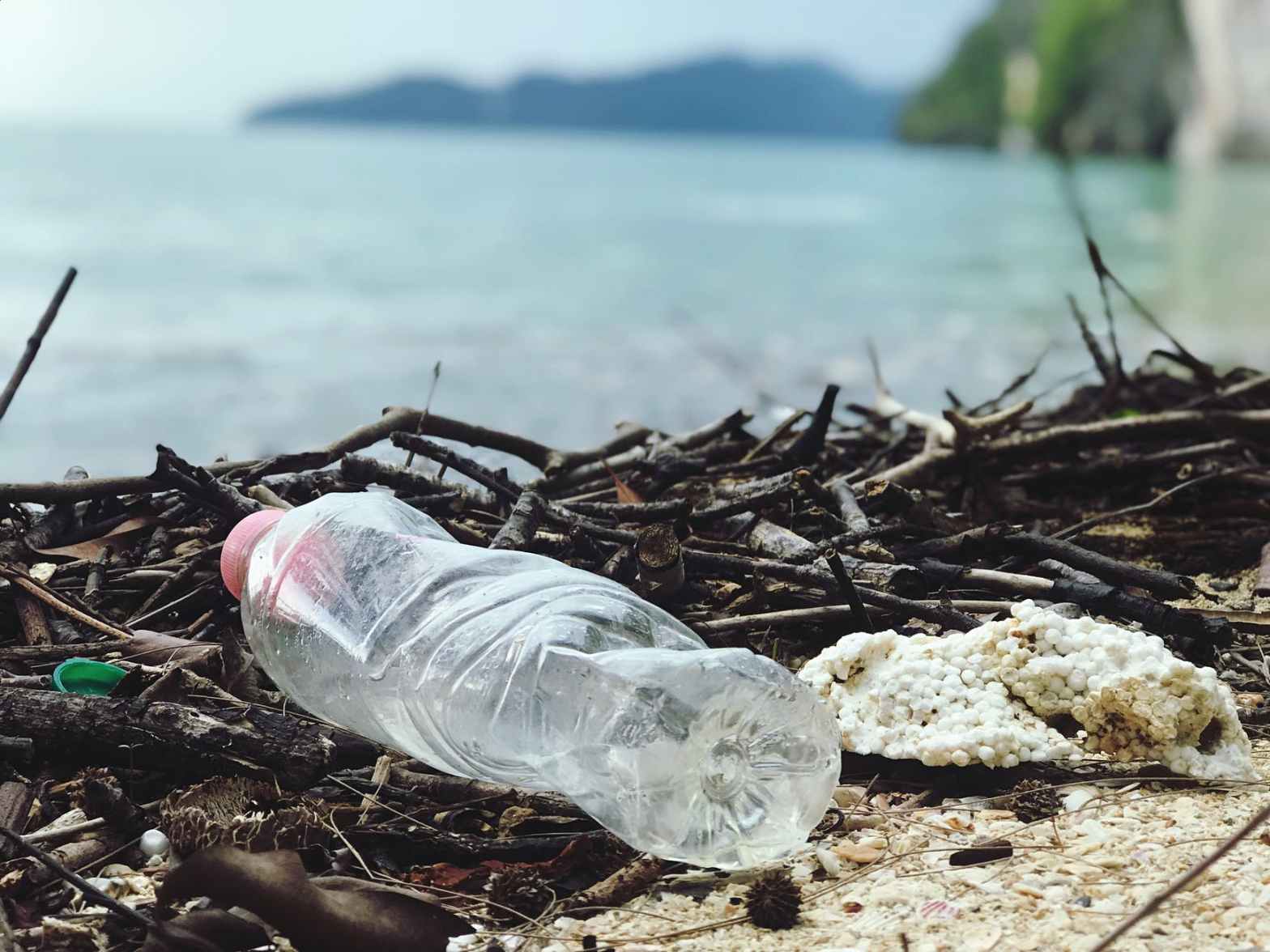
STOP SINGLE USE PLASTIC – REDUCE, REUSE & RECYCLE

If you are unfamiliar with the term single use plastic, it simply means plastic that is designed and manufactured simply to be used one time.

We are all well aware of the ill effects of using plastic. Yet every day we see millions of plastic bags,cups, toys being thrown around carelessly.

It is time that we stop the misuse of plastic and actually take strong steps against it.
And to do this, you don’t need to make big sacrifices and changes to your life, every small change in your lifestyle can bring a change to the world and reduce your carbon footprint. Here’s how you can do it.

We’ve all heard about the 3 R’s. Very commonly known as Reduce, Reuse, Recycle. In the most simple terms it means – refuse the items that you don’t need, reuse the items more than once and properly dispose the items that are no longer useful to you. At the end, it helps to cut down the amount of waste that we throw away.

“Outright bans on plastic bags may not be the best solution, but education and incentives to get people to stop using them are necessary.”

David Suzuki

REDUCE

The logic behind it is quite simple, if there is less waste, then there is less to recycle or reuse.

Before purchasing a product ask yourself – “Is there something else that I can use for this purpose?” , “Is this product necessary to do this task?” and “Is the item something that I want or something that I need?”
Asking these questions to yourself will help re-analyze the purchases that you make.

Also, purchasing multi tasking products can be a great investment – to your financial situation and to the nature.

REUSE

To reuse something simply means to repurpose things.
It saves them from landfills and dosent require extra expenditure of natural resources to recycle them and remake things out of them.

In today’s day and age, repurposing things has a new name – DIY or Do It Yourself. These are fun, interesting projects that you can do. It’s a great way to reduce wastage of things and also boosts your creativity.

RECYCLE

Recycling means to transform something back to a raw material and then making new things out of them.

It is a great way of properly disposing waste but it requires a lot of energy and time. Also, many recycling techniques are harmful for the environment.

So before you buy anything make sure that it is made out of non toxic materials, that way it can be easier to recycle.

Also, while disposing waste carefully separate the products that can and cannot be recycled.

Now that we know the 3 R’s
Let’s learn some of thier benefits.

As mentioned earlier, it reduces the amount of waste thrown into the environment thereby reducing the chances of polluting the environment.

Reducing and reusing our waste automatically reduces the level of greenhouse gas emissions.

Apart from that the 3R’s save land and money that communities and governments have to use to dispose wastes in landfills.

In addition to all of this, they also help to lessen the use of newer resources and energy, thus, making better use of resources.

With all this information in your hands, think about the change that you can make, with just one simple change in your everyday life.