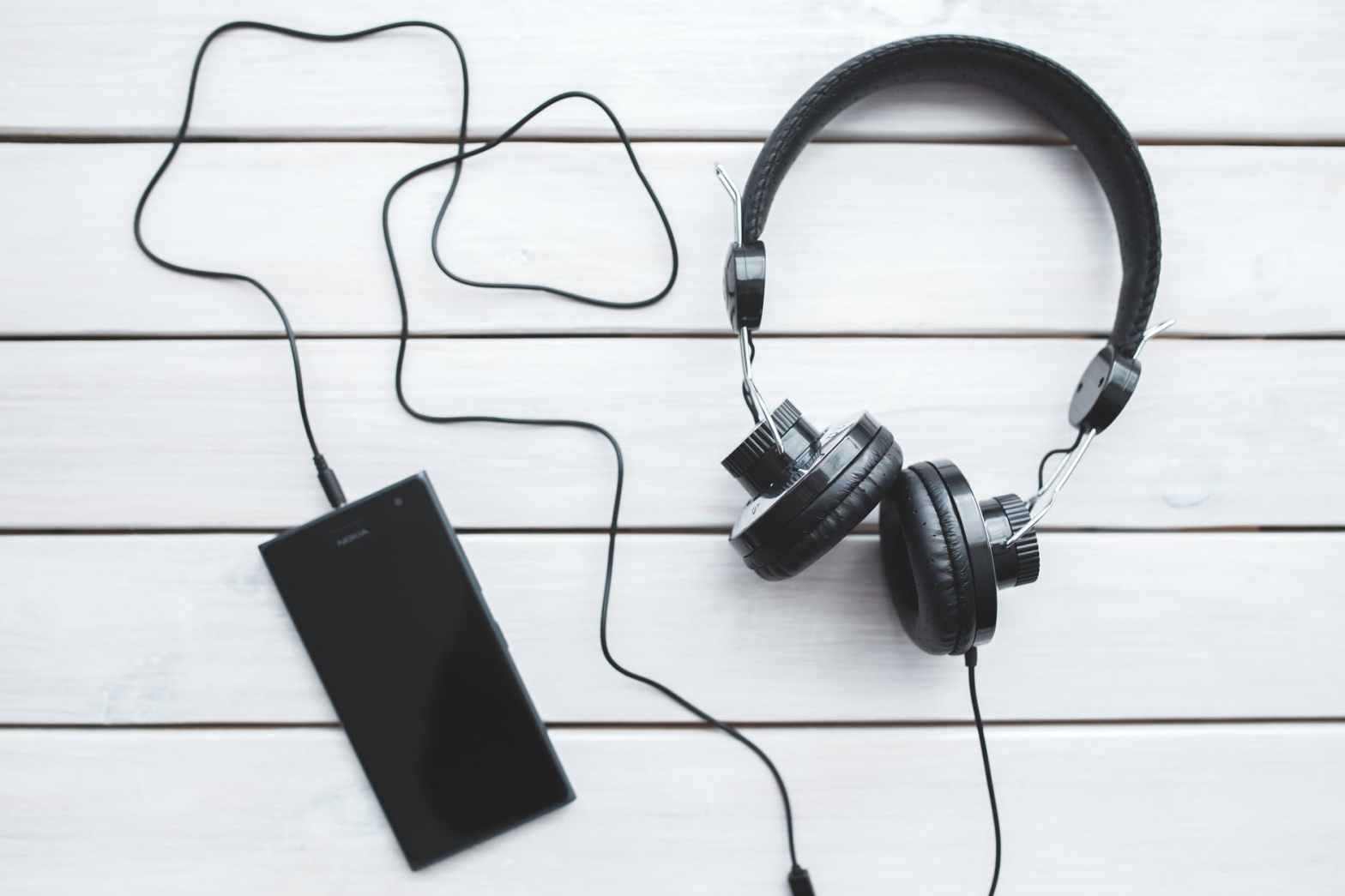
POWER OF MUSIC

Ever since I was a child, I’ve been obsessed with music and musicians.Not as in singing, but in hearing.

I remember the cold mornings when I had to wake up to go to school, temples and mosques nearby would be playing holy, soulful music. At the bus stop a small speaker would be playing the most random songs, sometimes just melodies mixed together. In the bus the driver would have the music on blast, whether to cheer himself or the kids I’ll never know!

Since those days I’ve loved music (and my love grew since my brother loved to sing and had a great voice).

Anytime a great song is played everyone around you jams to it, you can see that look in their face, people are carefree, ignorant to their problems and troubles around them, music lets them be happy. But the moment the music changes to something less popular or something that doesn’t fit the vibe of the occasion, you can see the change that people have.
Most people show it visually and audibly, the room will most probably be filled with “oh!” and “come on!”. You can see the change in their facial expressions, they’re visibly disappointed, because thier connection to the music is broken.

I believe that everyone has a connection to music, ofcourse not everyone connects to music in the same way and not everyone connects to all music.It changes from time to time and place to place.
But everyone connects, there is a part in all of us that connects with music, whatever music it may be.

Sure, some of us connect more to music and some less. To some, just hearing the first few notes of the song can get them singing and dancing and to some it remains limited to just listening to the song and enjoying it.

After long nights of music and deep thoughts, I’ve realised this : music has a way of uniting and dividing.

“Music is the greatest communication in the world. Even if people don’t understand the language that you’re singing in, they still know good music when they hear it. “

Lou Rawls

When the music is good, something which most people vibe to, it becomes the uniting factor and the same way when it’s something that most of the people don’t like, it makes everyone disappointed, together.
But when the music changes to something one group likes and the other group dislikes, it becomes the dividing factor.
Even amongst friends, “what music should we play at …” is a really big discussion and might even lead to disagreements.

But let’s look at the positive side of things.
For me, music is a stress buster, my way to relax and unwind after a really tough day. Music holds the power to take my thoughts away from the difficulties of each day, from the tired reckless thoughts, to a world of fantasy and imagination, a world where I can live and laugh and explore the side of me that I hide from the rest of the world. I’m sure it’s the same for many people reading this.

For many people, it’s difficult to work with music, some say that it’s a distraction, but for me, whenever I’m unleashing my creative side, like right now, when I’m writing this, I love to have the music blasting through the earphones, cancelling out the noisy, chaotic world outside, leaving me with the humming of the music and peace inside.

As I’m growing older, my connection to different music is changing and evolving and I love to see that growth in myself, almost like looking at myself from the outside. I guess music gives you a better look at yourself, a little more soulful and a little more deep.

Another really important thing that I’ve noticed is that people who connect to the similar type of music tend to connect with each other well. Obviously it doesn’t mean that everyone that shares the same taste in music is going to connect well with you, but, music does make a common ground for you to connect with people which can be great for making new friends and meeting new people.

One of my most favourite things about music is the satisfaction that I get after jamming to some good music.
Music holds the power to elevate my mood and make me feel energetic and confident, as I’m sure it does to a lot of people .

So here’s a little tip for anyone that’s feeling low, listen to music. Any music. Specifically, any music that can get you jumping and make you happy, something that can really get the feel good chemicals pumping through you. Works every time!

Tell me below, what type of music do you connect to, also, suggest some to us!

“Music is the literature of the heart, it commences where speech ends.”

Alphonse de Lamartine
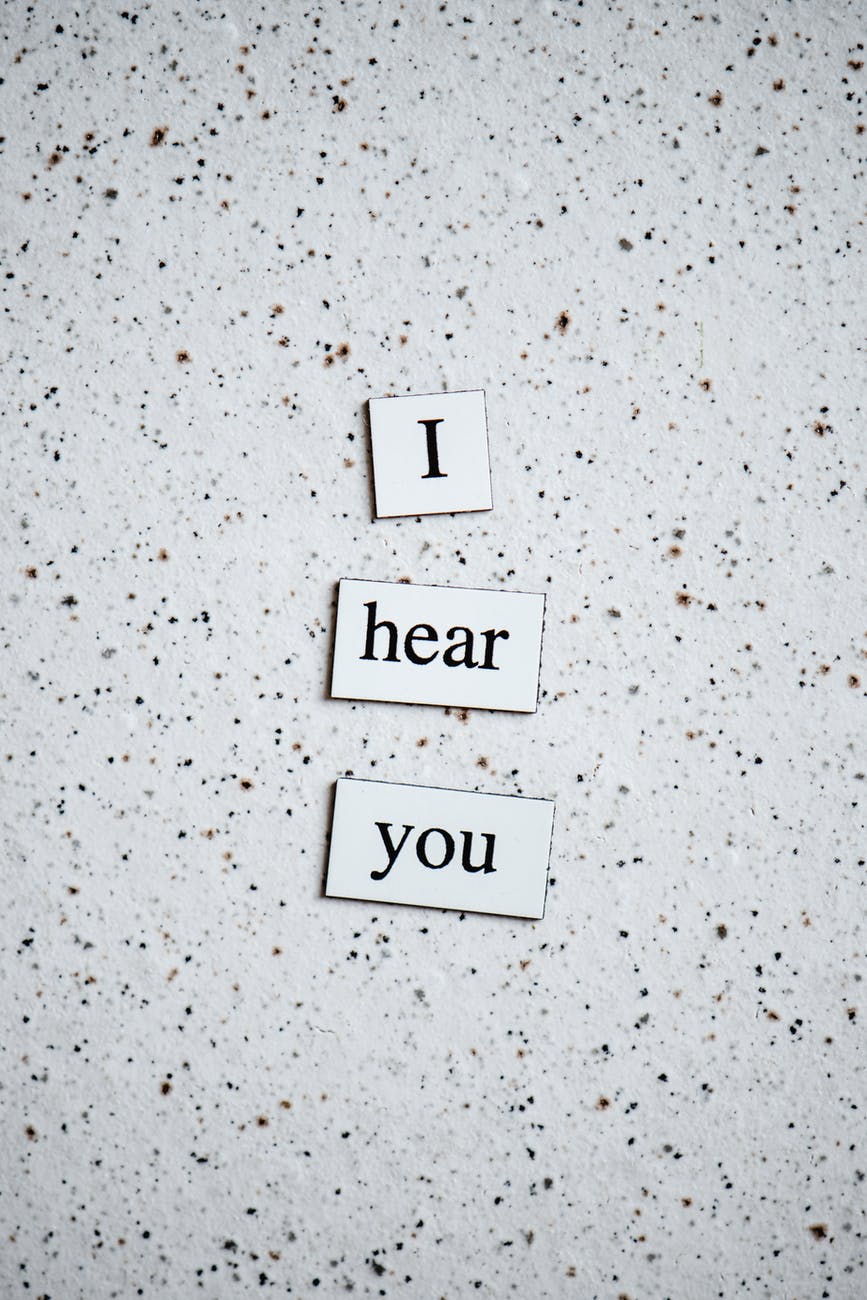
THE ART OF LISTENING

Listening is perhaps the most important and the most difficult part of having a healthy conversation. The main reason why most people struggle with being good listeners is because of their ego and impatience.

Let’s take a deeper look at listening and (almost) everything about it!

What is listening?

Listening does not mean hearing just to respond. It is hearing to understand.
Listening is not to judge/analyse what the other person is saying, it means to fully concentrate on what is being said. It is about using empathy and compassion and understanding the complete message, including the underlying emotional message conveyed.


Active listening is a technique to develop our ability to listen and make an effort to truly understand what the other person is trying to say.
It doesn’t need to be about agreeing with everything that is being said, it’s about respecting the other person and their opinion and avoiding judgmental tones or words.
It is about listening to what the other person is saying without having judgment or assumptions.

Why is listening important?

Being a good listener makes you an even better communicator. Your conversations and/or feedback really depends upon your listening skills, if you’re not a good listener, your response can be faulty.

Listening is not only a learning opportunity for you, but it is also one of the fastest and easiest way of making friends and building your network.
As human beings we are social creatures and by actively listening to people around us, we are able to connect, co-operate, develop and understand ourselves and each other.

Listening is a critical skill to have in a workspace. It helps you learn about the people that you work with and allows you to have a crystal clear understanding of the conversations which will help you make better decisions and solve problems.

Good listening skills will help you understand other people’s perspective better and understand any underlying feelings that they are unable to express. Also, by being an empathetic listener, you create a space for taking your own feelings and thoughts into account and taking a much closer look at them.

Finally, listening is the first base for growth, it helps you make good decisions and at the same time it slows you down to take a careful look at a situation before taking any decision or giving an opinion.

How to be a good listener?

Listen for curiosity and not for the sake of listening just to reply. Real effective communication cannot happen if we pretend to listen and it will certainly not happen if we don’t listen at all.

When listening to someone, try to have your full focus on them and their story rather than getting distracted or reflecting on your past experience or thinking of an answer or comeback.

Try to listen with an open mind and give the other person space and time to effectively communicate and express themselves and give their opinion.
It’s always easier to come to a compromise or find the best solution when everyone has the opportunity to explain their experience and understand the other person’s position.

Ask questions and take into consideration the whole situation before coming to a solid conclusion. Try to take a step back and analyse the whole situation from the other person’s point of view before giving any answer or advice.

To make someone feel heard, maintain eye contact (but try not to be creepy!) and give subtle indications like nodding. You can also ask questions and/or simply paraphrase what they said (or you could combine it and do both! For example – “so you’re saying… because…and …?”). This will make them feel heard and understood and make you feel engaging as well.

What am I doing wrong?/ Things not to do

Poor listening skills create walls in Communication and make things difficult and build more chance for mishappenings and accidents, especially due to miscommunication or incorrect assumptions/conclusions.

The first and most important thing to keep in mind while listening is : listen to understand, not to reply.

So the next time you listen to someone, listen to actually understand what they’re saying.
Don’t try to finish their sentences or interrupt them, allow them to finish, that way you can have a proper idea of their point of view and come to a better conclusion.

Secondly, try to avoid any and all narcissism. Try not to make it all about you or think about your own past experiences while the person is talking.
Although it is good to give advice from past experiences and mistakes, not paying full attention to the speaker might make them feel that you’re not interested and you might miss out on any key points.

And finally, do not think about your reply or get distracted by anything else, try to keep your full attention on the speaker and their story.